
San Bartolomé Heritage Routes
The Culture of Agricultural Tradition
San Bartolomé Heritage Routes
The Culture of Agricultural Tradition

For all ages

Discover San Bartolomé together

High cultural interest
The Culture of Agricultural Tradition: Exploring the Rural Essence of San Bartolomé
The Culture of Agricultural Tradition: Exploring the Rural Essence of San Bartolomé
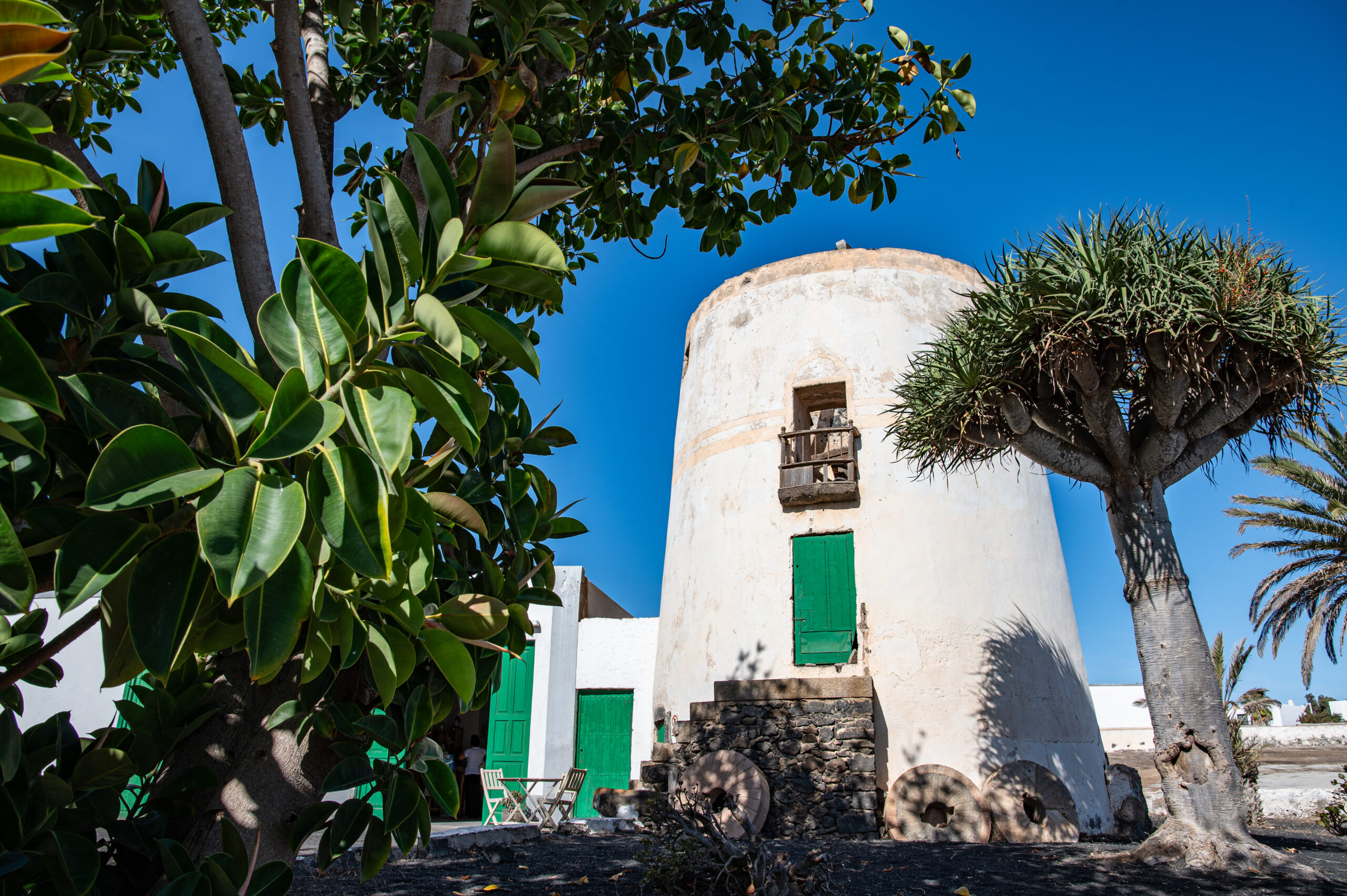
Discover the deep roots of San Bartolomé and Lanzarote through the route “The Culture of Agricultural Tradition.” This tourist route invites you to explore the heart of life in this unique, central town of Lanzarote, where agriculture has been the backbone of its identity and development. As you embark on this journey, you’ll experience the connection between the land and its people, paying homage to the hardworking farming traditions of both past and present generations.
This enriching itinerary highlights key sites that encapsulate the richness and diversity of local agricultural culture. From the Casa Museo del Campesino to the Path of the Wineries and the Cheese Producers, the Mill of Don José María Gil, and the House and Mill of Don Juan Armas Perdomo, each stop reveals the history, innovation, and passion that have shaped agricultural life in San Bartolomé.
At every turn along this route, you’ll witness the harmonious blend of traditional architecture and agricultural functionality, immersing yourself in a journey that transcends time.
The Culture of Agricultural Tradition is more than a tourist route; it’s a tribute to the hands that have worked the land, to the stories that have grown between the furrows, and to the vitality of a farming community deeply rooted in its agricultural traditions. Set off on this unique journey and discover the agricultural essence of San Bartolomé and Lanzarote!
The Culture of Agricultural Tradition
San Bartolomé, Lanzarote
Estimated Duration: approx. half a day
Landmark #1
Casa Museo del Campesino
Carretera de Arrecife a Tinajo km.8, San Bartolomé, Lanzarote (how to get there)
The Casa Museo del Campesino majestically stands in San Bartolomé, at the heart of Lanzarote, located in the geographic center of this fertile land. This architectural complex, blending tradition and modernity through the creativity of renowned Lanzarote artist César Manrique, is a living monument celebrating the essence of agricultural culture.
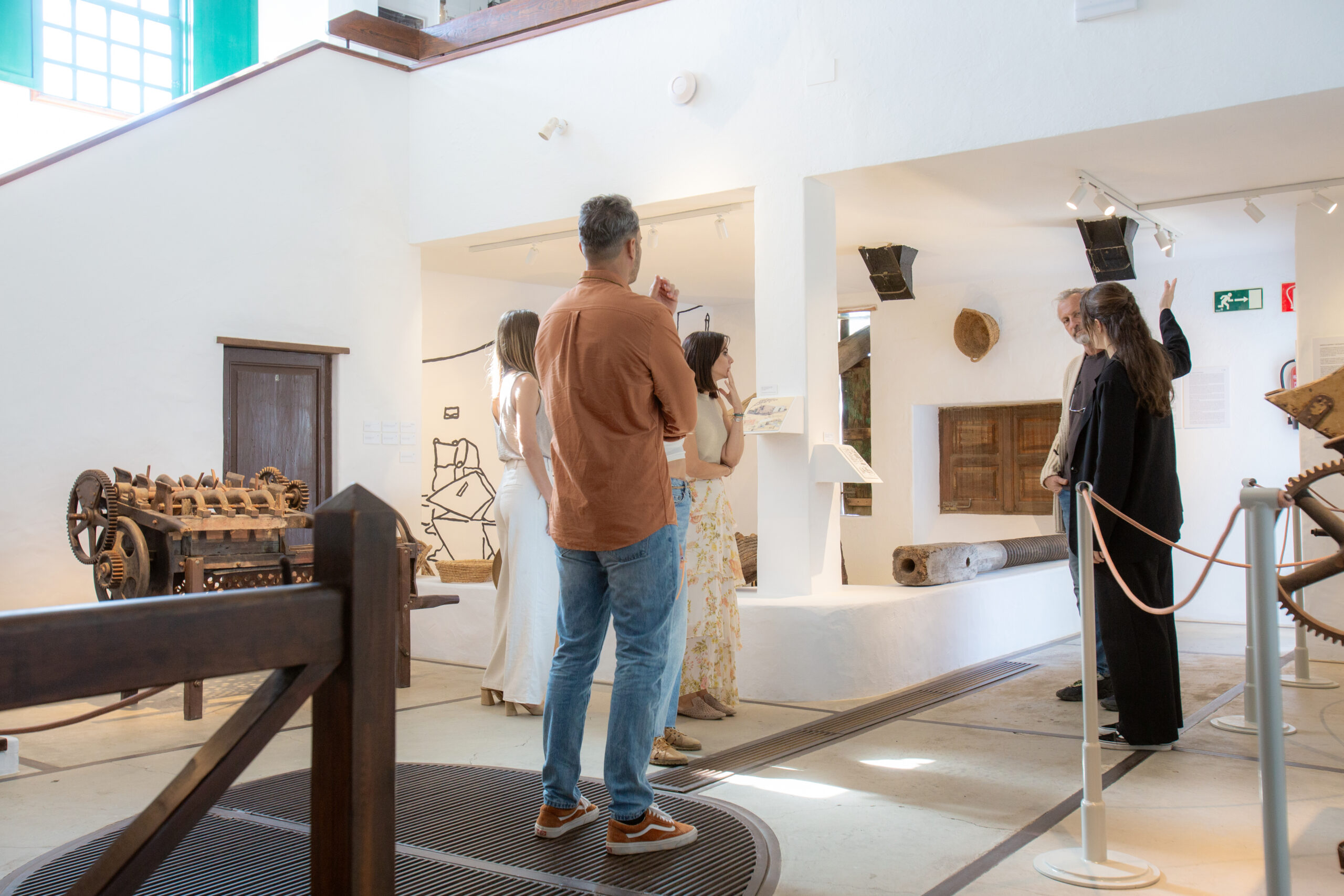
Designed as a tribute to the hard work of the island’s farmers, this museum serves as a tangible testament to the historical connection between the land and human labor. Organized around five thematic areas, it offers fascinating insights into the agricultural practices that have shaped life in Lanzarote for centuries.
Inside its walls, Casa Museo del Campesino not only offers a glimpse into the past but also invites visitors to engage in contemporary experiences. A restaurant within the complex provides the chance to enjoy authentic island cuisine and sample wines from the Lanzarote Designation of Origin. Additionally, craftsmanship comes to life through various workshops that highlight traditional island skills.
This cultural space is more than a museum; it is an immersive journey that honors agriculture as an art, a legacy passed down from generation to generation. Casa Museo del Campesino stands as a monumental and cultural landmark, encapsulating the richness and diversity of the agricultural tradition in Lanzarote.
Nearby Landmarks to Visit
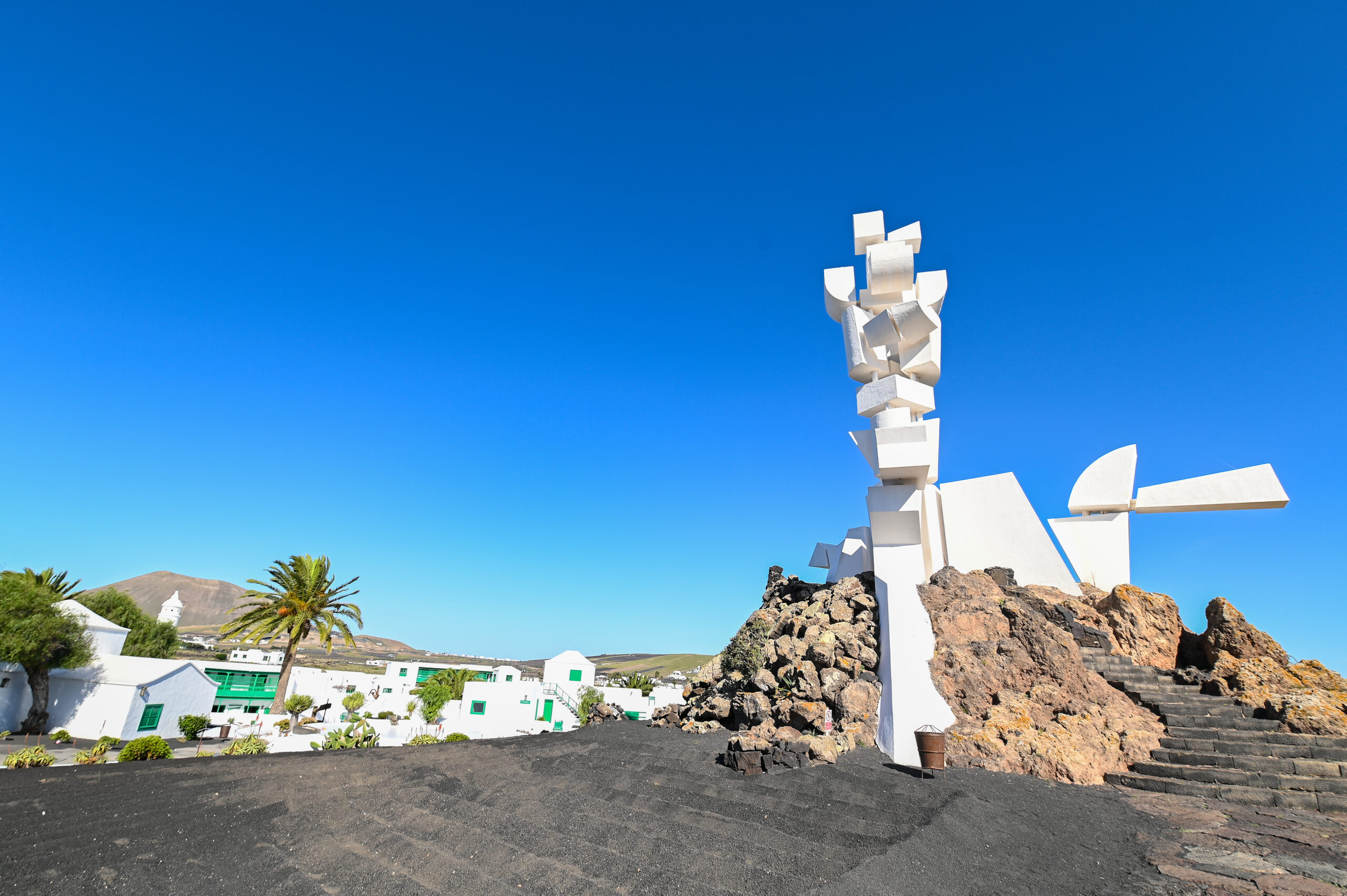
Monumento a la Fecundidad (Monument to Fertility): Created by César Manrique and Jesús Soto in 1968, this iconic sculptural work stands as a tribute to the fertility of the rural lands and as a homage to the farmers. Located alongside the Casa Museo del Campesino as part of the architectural ensemble, this imposing structure rises over 15 meters tall and is crafted from repurposed water tanks from fishing boats, iron objects, and concrete assemblies. With its stylized lines, the monument encapsulates the vitality and abundance of nature, serving as a visual testament to the importance of agriculture in Lanzarote’s life.
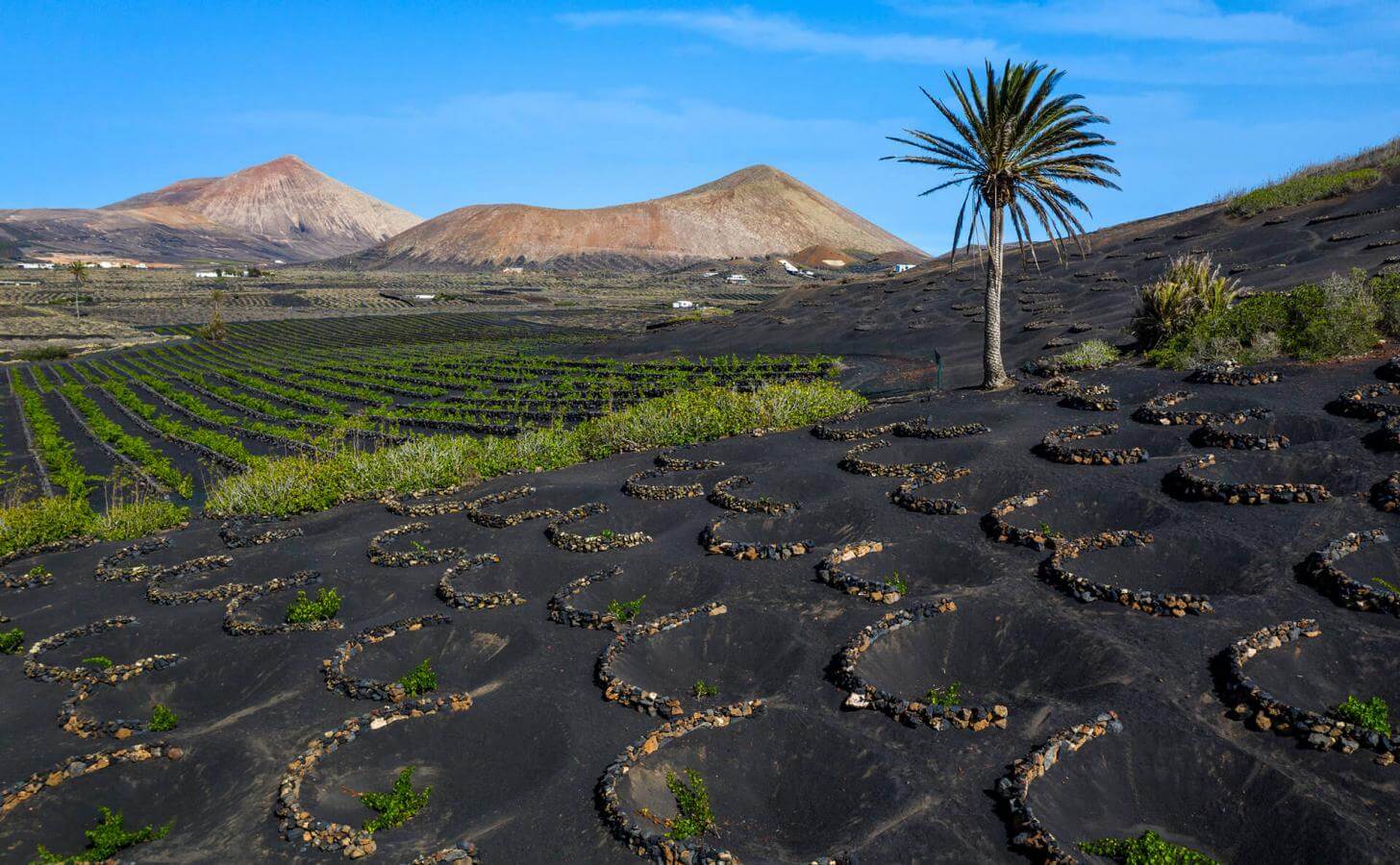
Volcanic-Agricultural Landscape of La Geria: One of the most distinctive agricultural landscapes in the world, La Geria was declared a Natural Park in 1987 and reclassified as a Protected Landscape in 1994. It is also designated as a Special Protection Area for Birds. Spanning 5,255 hectares, it extends across the municipalities of San Bartolomé, Yaiza, Tías, Tinajo, and Teguise, where inhabitants have made use of the land’s exceptional conditions to maintain different dry-farming crops such as vines, fig trees, and other fruit trees.
Did you know…?
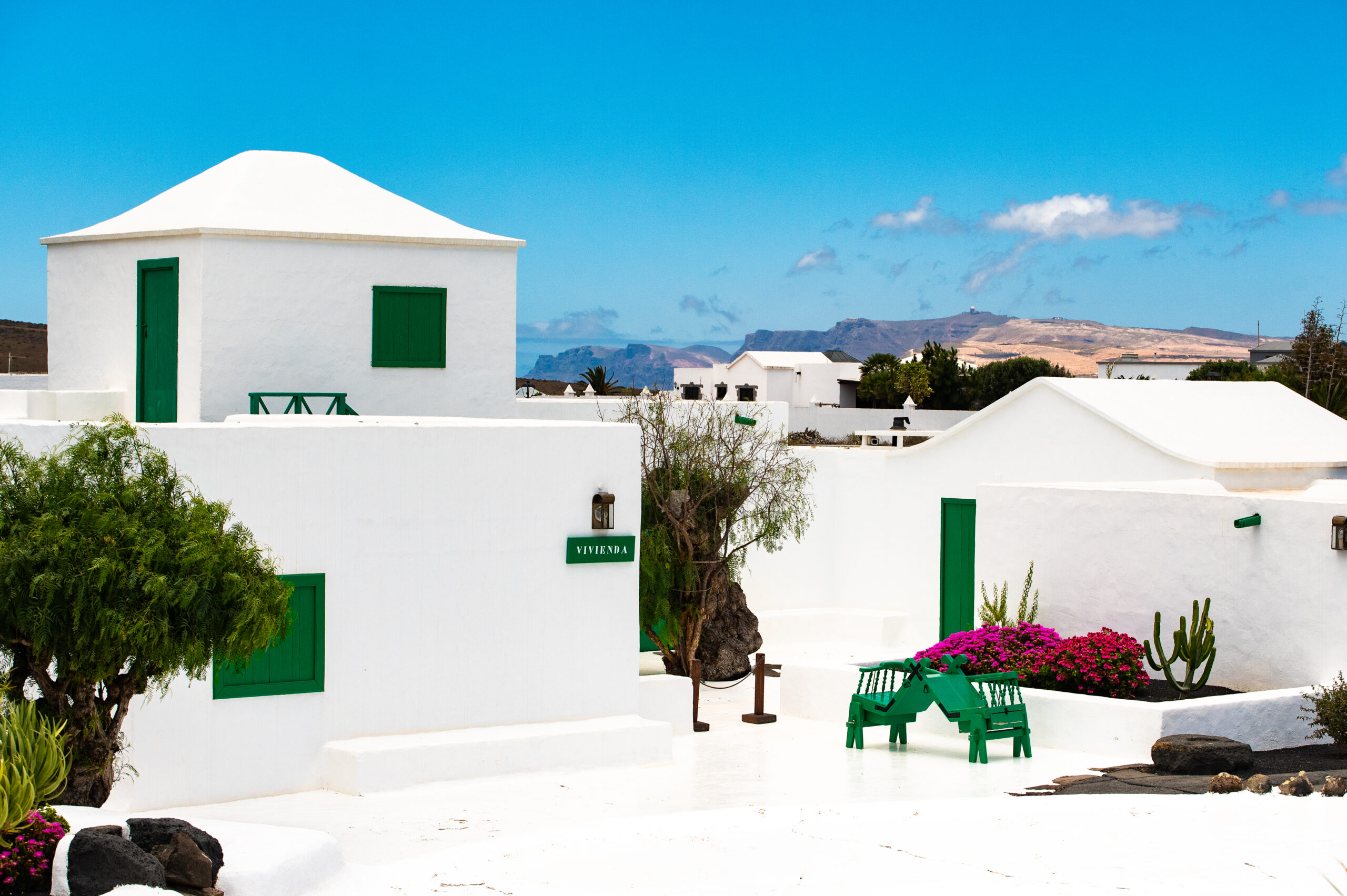
A captivating anecdote about the Casa Museo del Campesino is that the structure incorporates materials and elements salvaged from old rural constructions and agricultural tools from the island. In his desire to preserve Lanzarote’s cultural identity, César Manrique gathered these elements and creatively integrated them into the architectural design of the museum.
As you walk through its installations, visitors will find unique pieces such as traditional agricultural tools and fragments of old constructions, each telling stories of rural life in Lanzarote and giving the museum an authentic and nostalgic touch. It’s a charming example of how Manrique breathed new life into elements of the past to create a vibrant cultural space in the present.
Landmark #1
Casa Museo del Campesino
Carretera de Arrecife a Tinajo km.8, San Bartolomé, Lanzarote (how to get there)
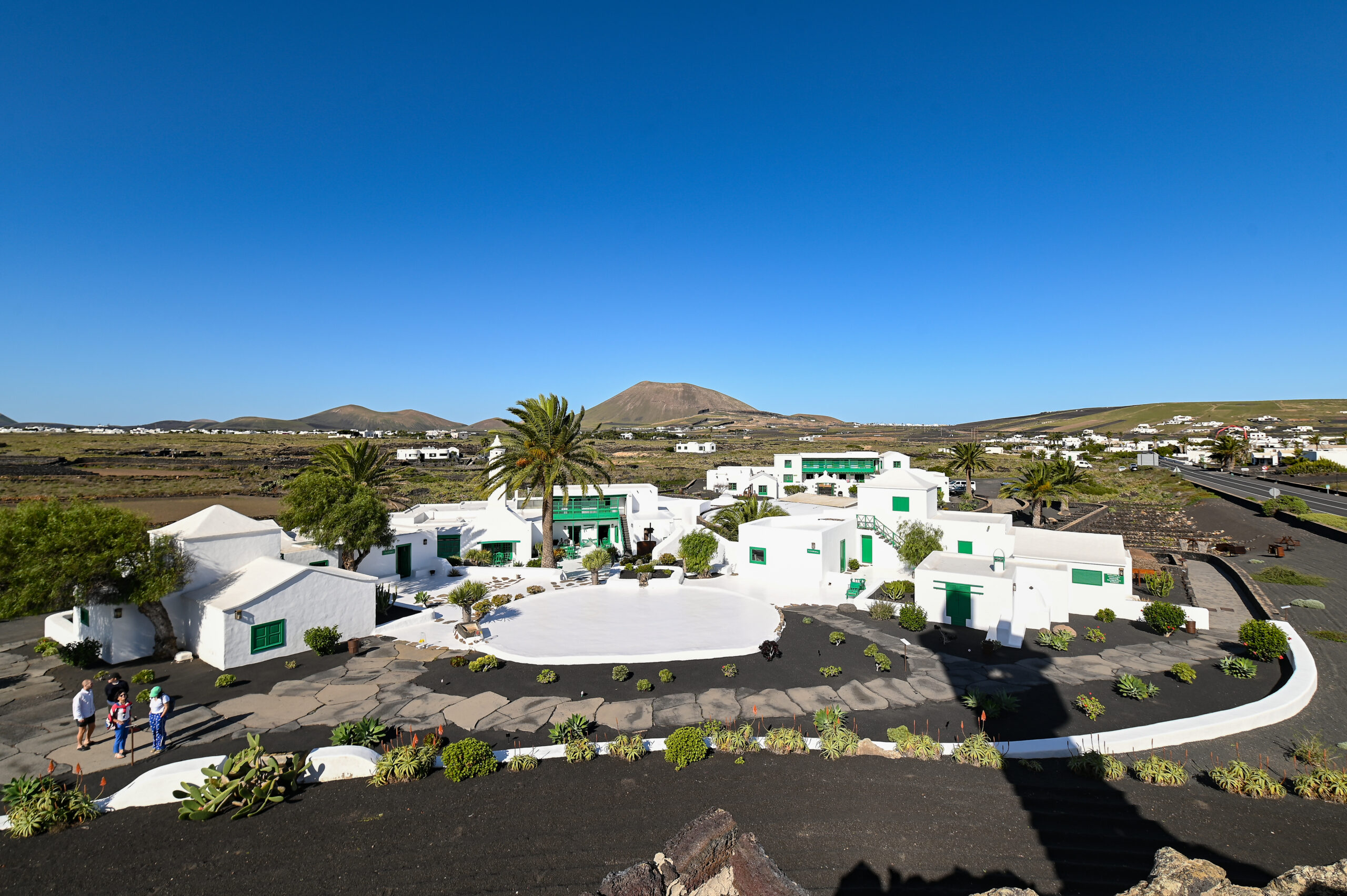
The Casa Museo del Campesino majestically stands in San Bartolomé, at the heart of Lanzarote, located in the geographic center of this fertile land. This architectural complex, blending tradition and modernity through the creativity of renowned Lanzarote artist César Manrique, is a living monument celebrating the essence of agricultural culture.
Designed as a tribute to the hard work of the island’s farmers, this museum serves as a tangible testament to the historical connection between the land and human labor. Organized around five thematic areas, it offers fascinating insights into the agricultural practices that have shaped life in Lanzarote for centuries.
Inside its walls, Casa Museo del Campesino not only offers a glimpse into the past but also invites visitors to engage in contemporary experiences. A restaurant within the complex provides the chance to enjoy authentic island cuisine and sample wines from the Lanzarote Designation of Origin. Additionally, craftsmanship comes to life through various workshops that highlight traditional island skills.
This cultural space is more than a museum; it is an immersive journey that honors agriculture as an art, a legacy passed down from generation to generation. Casa Museo del Campesino stands as a monumental and cultural landmark, encapsulating the richness and diversity of the agricultural tradition in Lanzarote.
Did you know…?
A captivating anecdote about the Casa Museo del Campesino is that the structure incorporates materials and elements salvaged from old rural constructions and agricultural tools from the island. In his desire to preserve Lanzarote’s cultural identity, César Manrique gathered these elements and creatively integrated them into the architectural design of the museum.
As you walk through its installations, visitors will find unique pieces such as traditional agricultural tools and fragments of old constructions, each telling stories of rural life in Lanzarote and giving the museum an authentic and nostalgic touch. It’s a charming example of how Manrique breathed new life into elements of the past to create a vibrant cultural space in the present.
Nearby Landmarks to Visit
Monumento a la Fecundidad (Monument to Fertility): Created by César Manrique and Jesús Soto in 1968, this iconic sculptural work stands as a tribute to the fertility of the rural lands and as a homage to the farmers. Located alongside the Casa Museo del Campesino as part of the architectural ensemble, this imposing structure rises over 15 meters tall and is crafted from repurposed water tanks from fishing boats, iron objects, and concrete assemblies. With its stylized lines, the monument encapsulates the vitality and abundance of nature, serving as a visual testament to the importance of agriculture in Lanzarote’s life.
Volcanic-Agricultural Landscape of La Geria: One of the most distinctive agricultural landscapes in the world, La Geria was declared a Natural Park in 1987 and reclassified as a Protected Landscape in 1994. It is also designated as a Special Protection Area for Birds. Spanning 5,255 hectares, it extends across the municipalities of San Bartolomé, Yaiza, Tías, Tinajo, and Teguise, where inhabitants have made use of the land’s exceptional conditions to maintain different dry-farming crops such as vines, fig trees, and other fruit trees.
Landmark #2
Path of Wineries and Cheese Factories
Calle de La Florida 89, San Bartolomé, Lanzarote – Bodegas La Florida (how to get there)
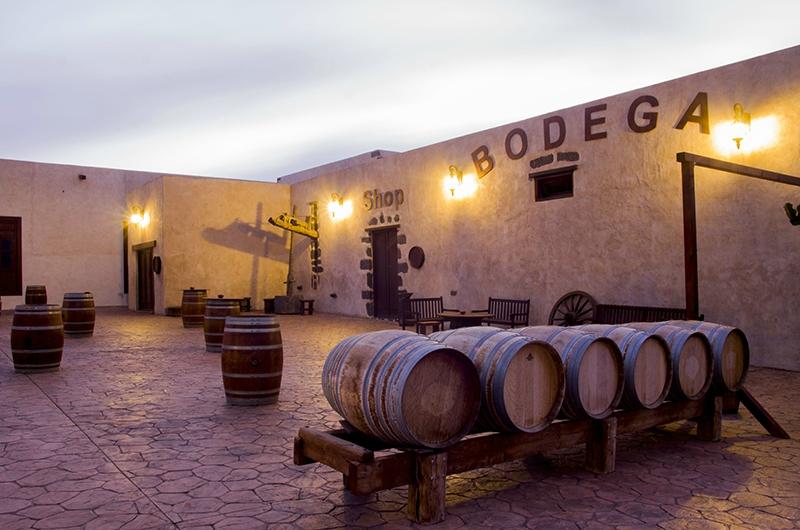
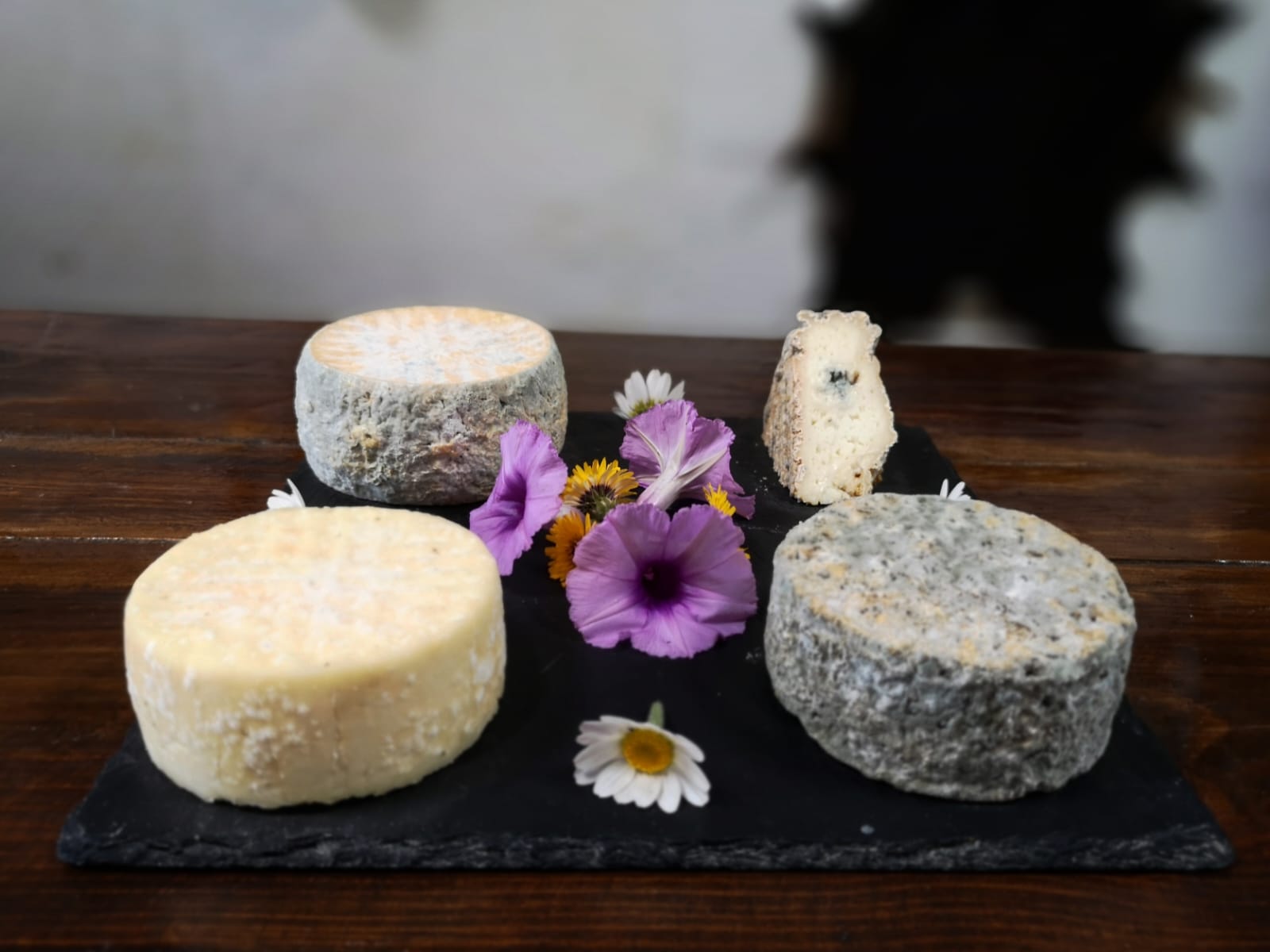
Immerse yourself in the agricultural essence of San Bartolomé by exploring the emblematic Bodegas La Florida, Bodegas Los Bermejos, Bodegas El Grifo, Quesería Flor de Luz, and Quesería Montaña Blanca—incomparable gems that seamlessly fuse the richness, tradition, and future of winemaking and cheese production in Lanzarote.
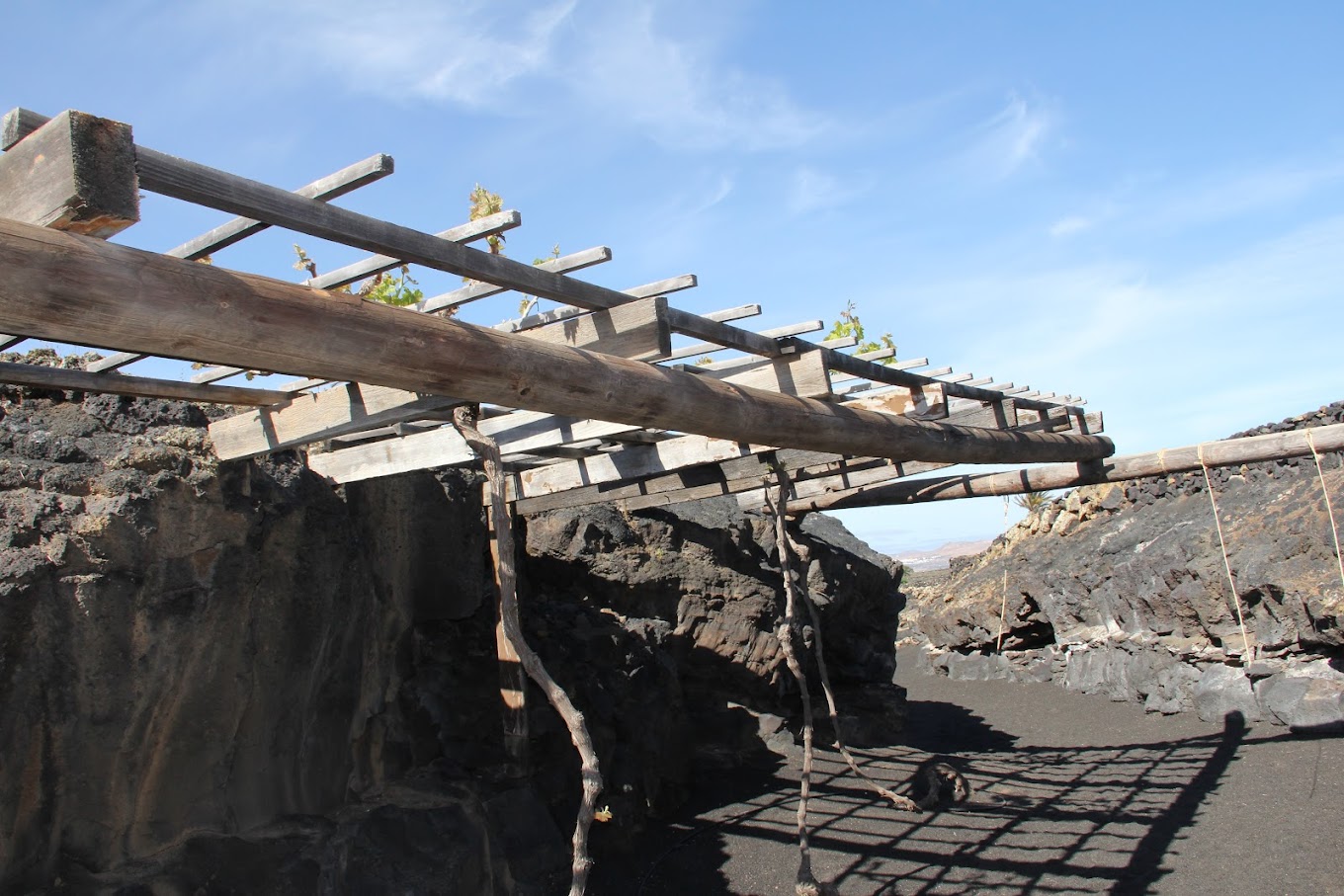
These bodegas (wineries) and queserías (artisanal cheese producers) reveal not only the mastery of enology and cheese production but also the craftsmanship that has flourished in this unique land. Discover the art of cultivating grapes in the volcanic ash of La Geria, a practice that has given rise to world-renowned wines, frequently found on the menus of many top restaurants globally.
Enjoy the Path of Wineries and Cheese Factories of San Bartolomé, where every sip and bite tells the story of agricultural tradition that has shaped the distinctive character of San Bartolomé and all of Lanzarote.
On this Path, you will visit, in order of their location, Bodegas La Florida, Bodegas Los Bermejos, Bodegas El Grifo, Quesería Montaña Blanca, and you will finish at Quesería Flor de Luz.
Bodegas La Florida
Calle de La Florida 89, San Bartolomé, Lanzarote (how to get there) (website)
1.8 km / 3 min from Landmark #1 (Casa Museo del Campesino)
Bodegas La Florida, with its roots deeply embedded in Lanzarote’s winemaking tradition, is a fine example of the island’s winemaking heritage.
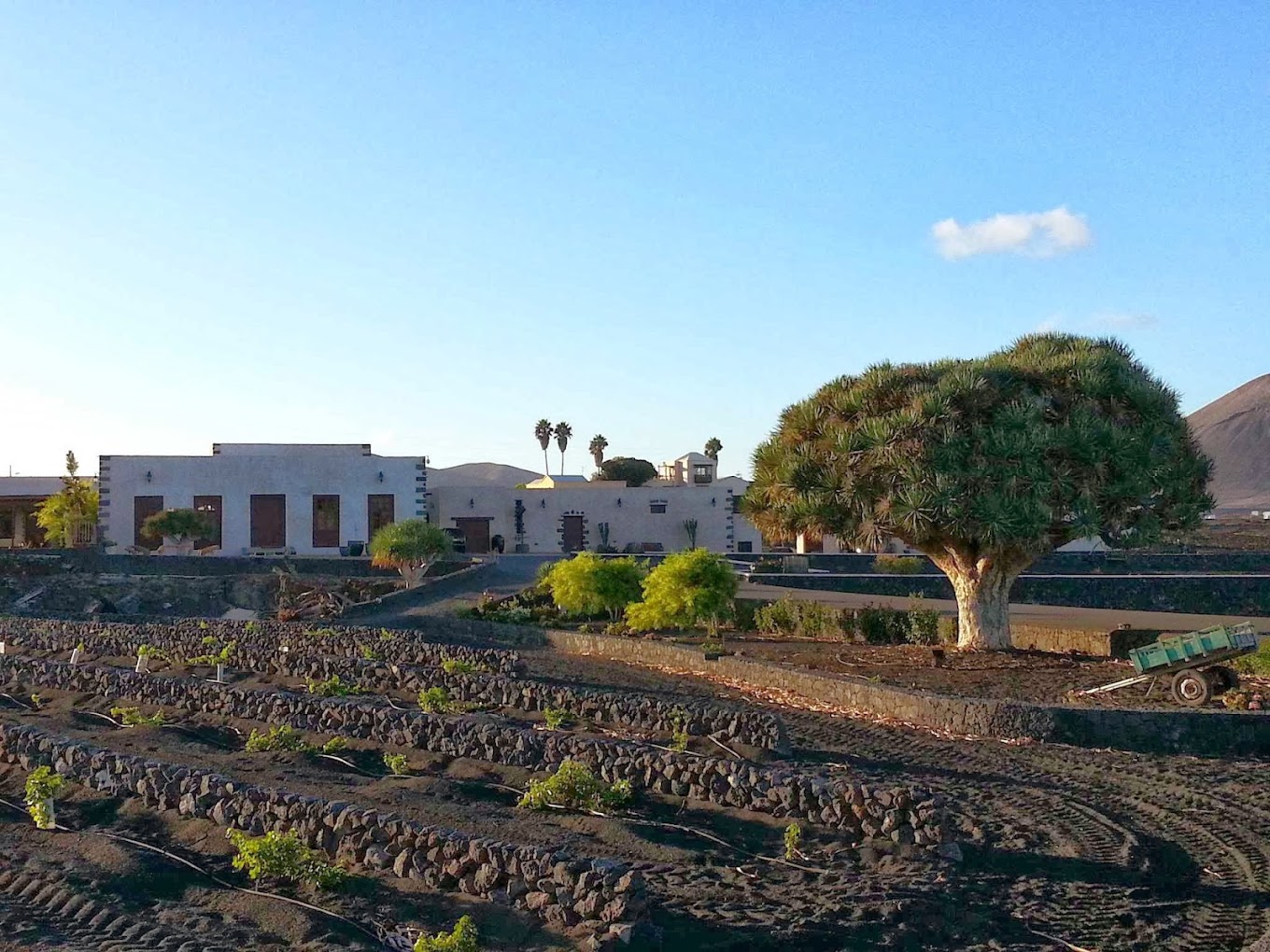
Founded with passion and dedication by Ginés González Viera, the soul of this project, it maintains vineyards cultivated in the unique volcanic ash. This bodega combines artisanal winemaking techniques with modern practices that enhance traditional flavors and aromas, earning Bodegas La Florida prestigious awards over the years.
The natural environment has played a crucial role in the development of winemaking in the area. The estate is home to the oldest dracaena tree on the island, a winding Jameo Natural, and a majestic century-old laurel tree. The exquisite 19th-century winepress and traditional farming tools are also worth admiration. Visitors are passionately told the history of one of the island’s illustrious figures, Don Luis Ramírez González, the former owner of this unique estate, which was donated to fund scholarships for young people on the island.
Embark on an experience where history, culture, and exquisite flavors converge at Bodegas La Florida. Learn more about the bodega, its visits, tastings, wines, and the unparalleled setting it offers for unique and special events by visiting its website.
Bodegas Los Bermejos
Camino a los Bermejos 7, San Bartolomé, Lanzarote (how to get there) (website)
1.0 km. / 2 min from Bodegas La Florida
Bodegas Los Bermejos is one of the oldest wineries in the Canary Islands, with a rich history that stretches back several centuries.
Relaunched in 2001, this winery, recognized for its commitment to quality and tradition, has been awarded prestigious distinctions over the years, solidifying its status as a reference in the island’s winemaking scene.
Los Bermejos stands out for its meticulous approach to winemaking, using methods that honor the rich winemaking heritage of the region. Explore the historic facilities of Los Bermejos and immerse yourself in its cellars, where craftsmanship and a passion for wine are revealed in every corner. Discover the history behind each exceptional vintage and take part in tours and tasting experiences designed to delight wine enthusiasts.
Visiting Los Bermejos opens the door to a winemaking universe where excellence and authenticity are uniquely combined. Learn more about visits, tastings, and the exclusive range of wines they offer by exploring their website.
Bodegas El Grifo
Carretera LZ-30 Km. 11, San Bartolomé, Lanzarote (how to get there) (website)
2.3 km / 3 min from Bodegas Los Bermejos
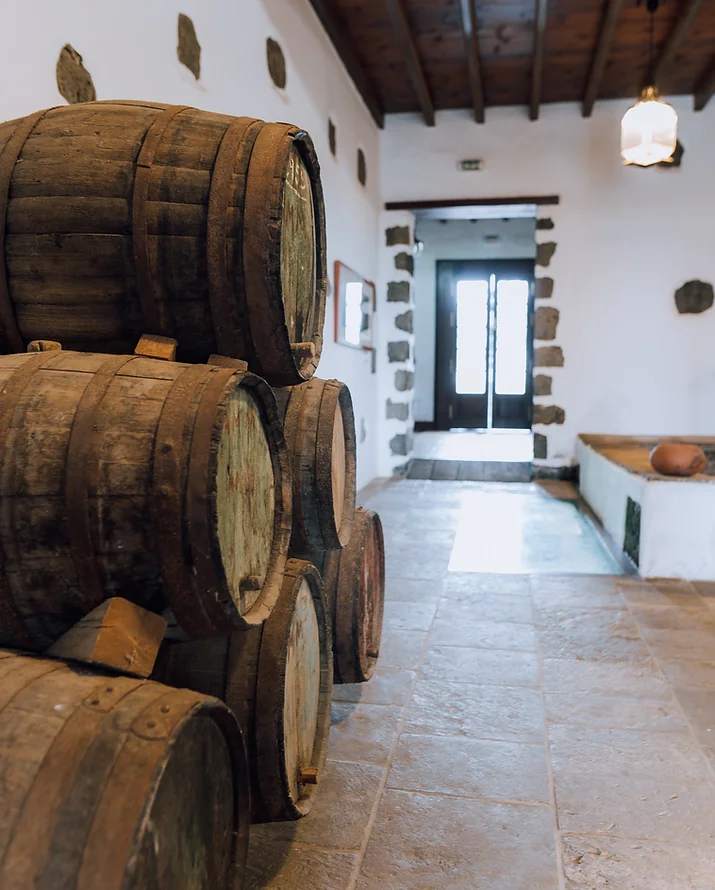
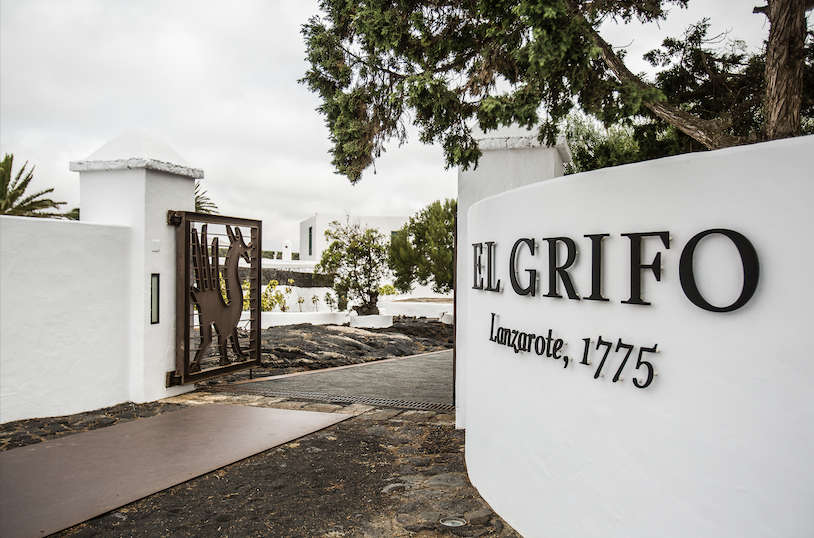
Bodegas El Grifo, the oldest winery in the Canary Islands and one of the ten oldest in Spain, stands as a historic emblem of Lanzarote’s winemaking tradition and a source of pride for San Bartolomé.
Founded in 1775, this bodega has withstood the test of time, establishing itself as a beacon of Canarian viticulture.
Over the centuries, Bodegas El Grifo has accumulated numerous recognitions and awards, excelling in both national and international competitions for the exceptional quality of its wines. This legacy of excellence is reflected in every bottle, providing visitors with a unique and unforgettable experience.
A visit to Bodegas El Grifo is a journey through the history of winemaking in the Canary Islands. The winery offers various tour options, from brief stops to 45-minute tours or more in-depth two-hour experiences. These tours can be booked easily through their website, offering flexibility to plan a personalized winemaking experience. Additionally, Bodegas El Grifo offers specific programs for families with children, ensuring that everyone can enjoy the magic of this historical winery, or exclusive experiences for adults only. Discover more about their visit options and award-winning wines by exploring their website.
Quesería Montaña Blanca
Calle Las Rosas 21, Montaña Blanca, San Bartolomé, Lanzarote (how to get there) (website)
3.8 km / 6 min from Bodegas El Grifo
Quesería Montaña Blanca is a long-standing family business, established as a culinary gem in the heart of Lanzarote. This artisanal cheese factory has perfected the art of cheese-making over the years, becoming a benchmark of excellence on the island.
The cheese-making skill of Alexis, the master cheesemaker of Quesería Montaña Blanca, is reflected in every cheese, showcasing dedication and care in their production.
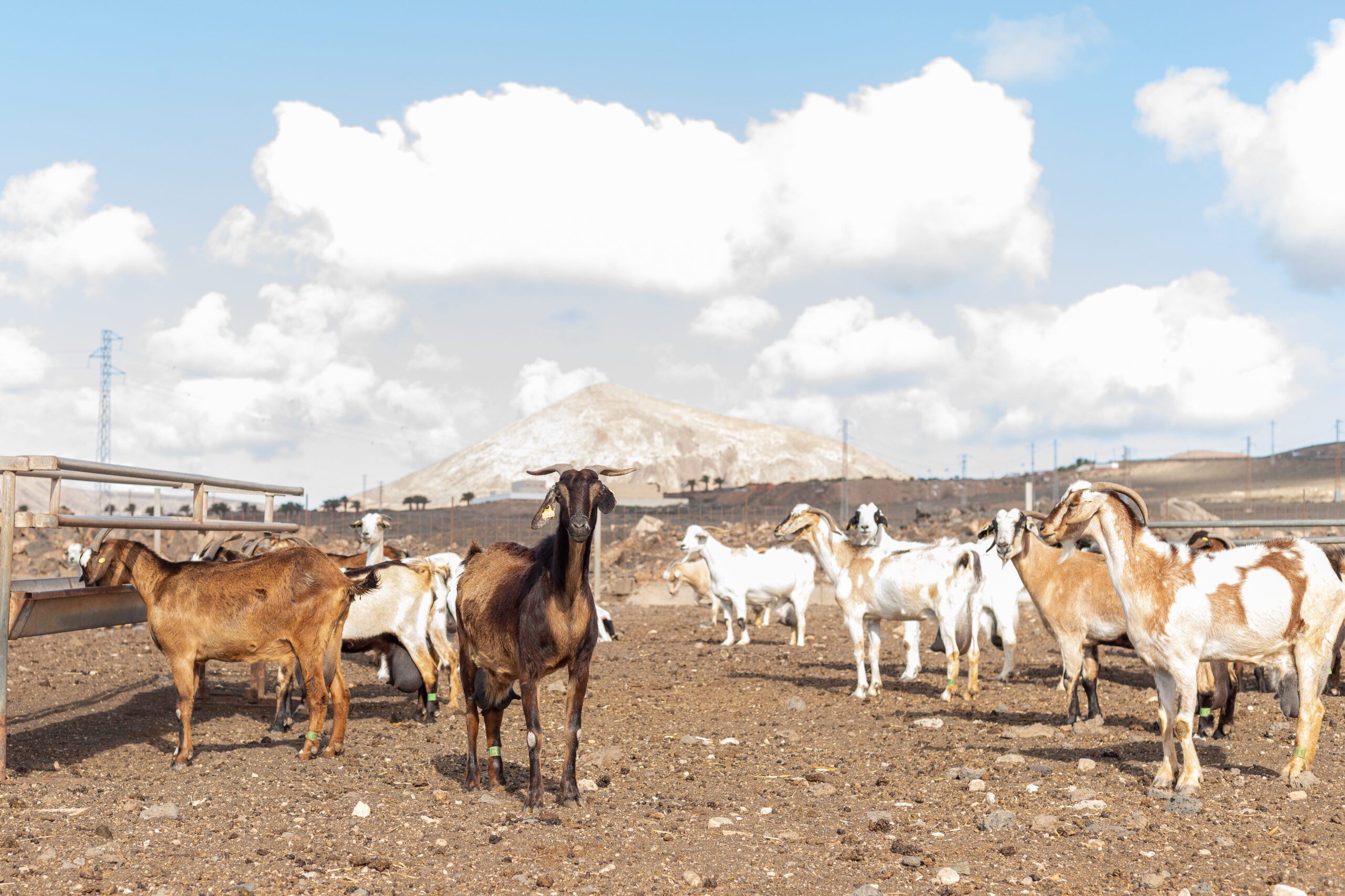
At this small cheese factory located in the village of Montaña Blanca, a variety of cheeses are made using pasteurized goat’s milk from their own livestock. In addition to the factory, there’s also a small shop where visitors can purchase cheese made on-site.
Among their varieties, the standout options include fresh cheese, soft cheese, semi-cured cheese, and cured cheese. The semi-cured variety can be natural or coated with paprika, gofio, curry, or Provençal herbs.
Their products, known for their distinct quality and flavor, have earned praise and awards that highlight the mastery of the cheese factory. Among the many accolades received, their “Guatisea Curado” cheese was named “Best Cured Goat Cheese in Spain” in 2022.
Quesería Flor de Luz
Camino Barranco s/n, San Bartolomé, Lanzarote (how to get there) (Instagram)
4.4 km / 8 min from Quesería Montaña Blanca
Flor de Luz has been operating in the field of traditional livestock farming since the beginning of the century and later opened its doors as an artisanal cheese factory, producing a wide range of raw milk cheeses reminiscent of traditional cheeses from the past.
Master cheesemaker and farmer Luz Nelida, along with her children, runs a family business that has become their lifestyle and a tribute to local traditional cheesemaking. Together, they have made significant strides in the industry, winning prestigious awards at the regional, national, and international levels. They work tirelessly to ensure that customers can visit their livestock facilities and cheese factory, creating a cultural program aimed at preserving the area’s dairy and cheesemaking traditions.
Visiting Quesería Flor de Luz allows you to immerse yourself in the captivating world of artisanal cheese production. It’s a unique culinary and cultural experience that should not be missed on your itinerary.
Landmark #2
Path of Wineries and Cheese Factories
Path starts at Calle de La Florida 89, San Bartolomé, Lanzarote (Bodegas La Florida) (how to get there)
1.8 km / 3 min from Landmark #1 (Casa Museo del Campesino)
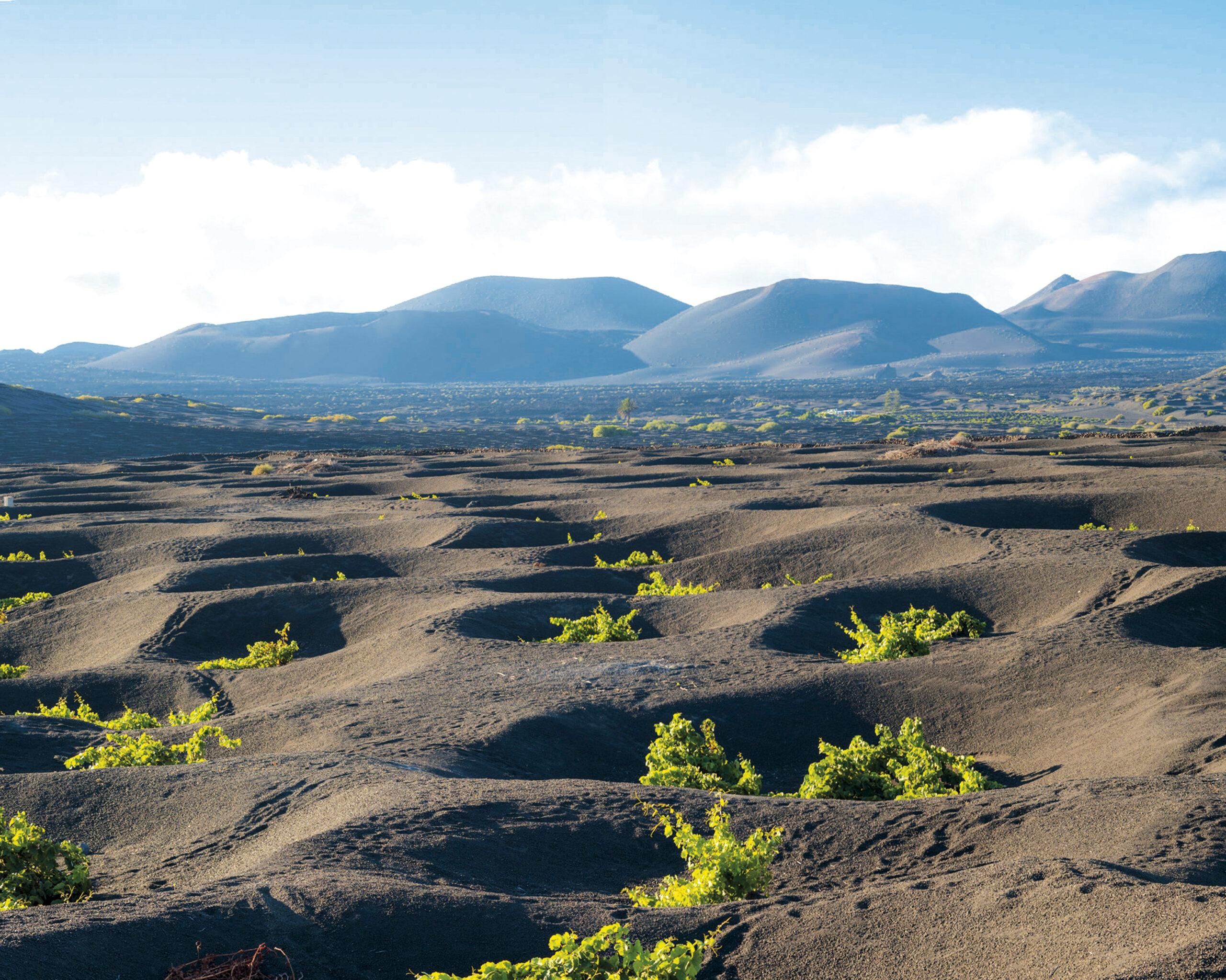
Image courtesy of Bodegas El Grifo
Immerse yourself in the agricultural essence of San Bartolomé by exploring the emblematic Bodegas La Florida, Bodegas Los Bermejos, Bodegas El Grifo, Quesería Flor de Luz, and Quesería Montaña Blanca—incomparable gems that seamlessly fuse the richness, tradition, and future of winemaking and cheese production in Lanzarote.
These bodegas (wineries) and queserías (artisanal cheese producers) reveal not only the mastery of enology and cheese production but also the craftsmanship that has flourished in this unique land. Discover the art of cultivating grapes in the volcanic ash of La Geria, a practice that has given rise to world-renowned wines, frequently found on the menus of many top restaurants globally.
Enjoy the Path of Wineries and Cheese Factories of San Bartolomé, where every sip and bite tells the story of agricultural tradition that has shaped the distinctive character of San Bartolomé and all of Lanzarote.
On this Path, you will visit, in order of their location, Bodegas La Florida, Bodegas Los Bermejos, Bodegas El Grifo, Quesería Montaña Blanca, and you will finish at Quesería Flor de Luz.
Bodegas La Florida
Calle de La Florida 89, San Bartolomé, Lanzarote (how to get there) (website)
Bodegas La Florida, with its roots deeply embedded in Lanzarote’s winemaking tradition, is a fine example of the island’s winemaking heritage.
Founded with passion and dedication by Ginés González Viera, the soul of this project, it maintains vineyards cultivated in the unique volcanic ash. This bodega combines artisanal winemaking techniques with modern practices that enhance traditional flavors and aromas, earning Bodegas La Florida prestigious awards over the years.
The natural environment has played a crucial role in the development of winemaking in the area. The estate is home to the oldest dracaena tree on the island, a winding Jameo Natural, and a majestic century-old laurel tree. The exquisite 19th-century winepress and traditional farming tools are also worth admiration. Visitors are passionately told the history of one of the island’s illustrious figures, Don Luis Ramírez González, the former owner of this unique estate, which was donated to fund scholarships for young people on the island.
Embark on an experience where history, culture, and exquisite flavors converge at Bodegas La Florida. Learn more about the bodega, its visits, tastings, wines, and the unparalleled setting it offers for unique and special events by visiting its website.
Bodegas Los Bermejos
Camino a los Bermejos 7, San Bartolomé, Lanzarote (how to get there) (web)
1.0 km / 2 min from Bodegas La Florida
Bodegas Los Bermejos is one of the oldest wineries in the Canary Islands, with a rich history that stretches back several centuries.
Relaunched in 2001, this winery, recognized for its commitment to quality and tradition, has been awarded prestigious distinctions over the years, solidifying its status as a reference in the island’s winemaking scene.
Los Bermejos stands out for its meticulous approach to winemaking, using methods that honor the rich winemaking heritage of the region. Explore the historic facilities of Los Bermejos and immerse yourself in its cellars, where craftsmanship and a passion for wine are revealed in every corner. Discover the history behind each exceptional vintage and take part in tours and tasting experiences designed to delight wine enthusiasts.
Visiting Los Bermejos opens the door to a winemaking universe where excellence and authenticity are uniquely combined. Learn more about visits, tastings, and the exclusive range of wines they offer by exploring their website.
Bodegas El Grifo
Carretera LZ-30 Km. 11, San Bartolomé, Lanzarote (how to get there) (website)
2.3 km / 3 min from Bodegas Los Bermejos
Bodegas El Grifo, the oldest winery in the Canary Islands and one of the ten oldest in Spain, stands as a historic emblem of Lanzarote’s winemaking tradition and a source of pride for San Bartolomé. Founded in 1775, this bodega has withstood the test of time, establishing itself as a beacon of Canarian viticulture.
Over the centuries, Bodegas El Grifo has accumulated numerous recognitions and awards, excelling in both national and international competitions for the exceptional quality of its wines. This legacy of excellence is reflected in every bottle, providing visitors with a unique and unforgettable experience.
A visit to Bodegas El Grifo is a journey through the history of winemaking in the Canary Islands. The winery offers various tour options, from brief stops to 45-minute tours or more in-depth two-hour experiences. These tours can be booked easily through their website, offering flexibility to plan a personalized winemaking experience. Additionally, Bodegas El Grifo offers specific programs for families with children, ensuring that everyone can enjoy the magic of this historical winery, or exclusive experiences for adults only. Discover more about their visit options and award-winning wines by exploring their website.
Quesería Montaña Blanca
Calle Las Rosas 21, Montaña Blanca, San Bartolomé, Lanzarote (how to get there) (website)
3.8 km. / 6 min from Bodegas El Grifo
Quesería Montaña Blanca is a long-standing family business, established as a culinary gem in the heart of Lanzarote. This artisanal cheese factory has perfected the art of cheese-making over the years, becoming a benchmark of excellence on the island.
The cheese-making skill of Alexis, the master cheesemaker of Quesería Montaña Blanca, is reflected in every cheese, showcasing dedication and care in their production.
At this small cheese factory located in the village of Montaña Blanca, a variety of cheeses are made using pasteurized goat’s milk from their own livestock. In addition to the factory, there’s also a small shop where visitors can purchase cheese made on-site.
Among their varieties, the standout options include fresh cheese, soft cheese, semi-cured cheese, and cured cheese. The semi-cured variety can be natural or coated with paprika, gofio, curry, or Provençal herbs.
Their products, known for their distinct quality and flavor, have earned praise and awards that highlight the mastery of the cheese factory. Among the many accolades received, their “Guatisea Curado” cheese was named “Best Cured Goat Cheese in Spain” in 2022.
Quesería Flor de Luz
Camino Barranco s/n, San Bartolomé, Lanzarote (how to get there) (Instagram)
4.4 km. / 8 min from Quesería Montaña Blanca
Flor de Luz has been operating in the field of traditional livestock farming since the beginning of the century and later opened its doors as an artisanal cheese factory, producing a wide range of raw milk cheeses reminiscent of traditional cheeses from the past.
Master cheesemaker and farmer Luz Nelida, along with her children, runs a family business that has become their lifestyle and a tribute to local traditional cheesemaking. Together, they have made significant strides in the industry, winning prestigious awards at the regional, national, and international levels. They work tirelessly to ensure that customers can visit their livestock facilities and cheese factory, creating a cultural program aimed at preserving the area’s dairy and cheesemaking traditions.
Visiting Quesería Flor de Luz allows you to immerse yourself in the captivating world of artisanal cheese production. It’s a unique culinary and cultural experience that should not be missed on your itinerary.
Landmark #3
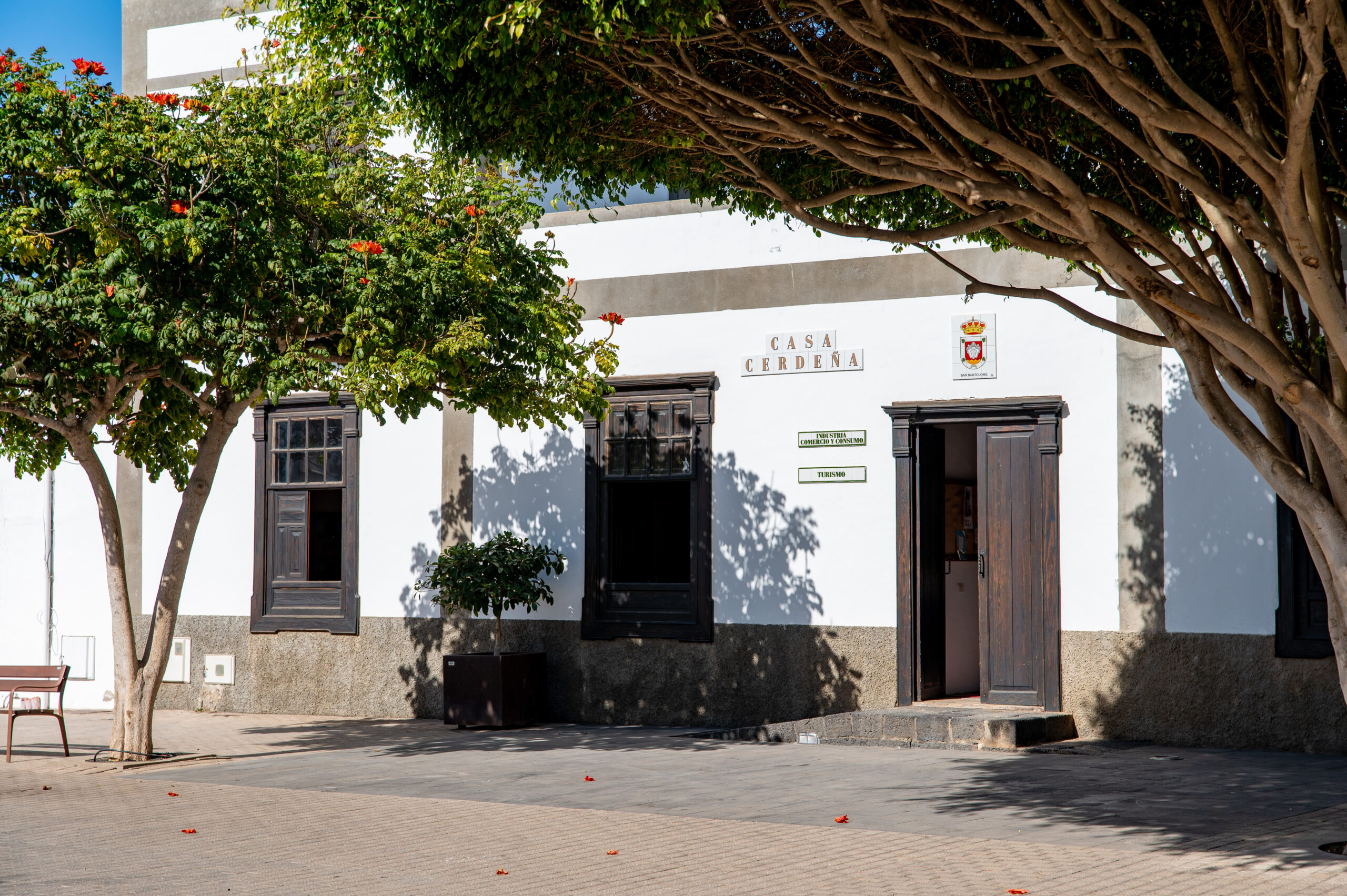
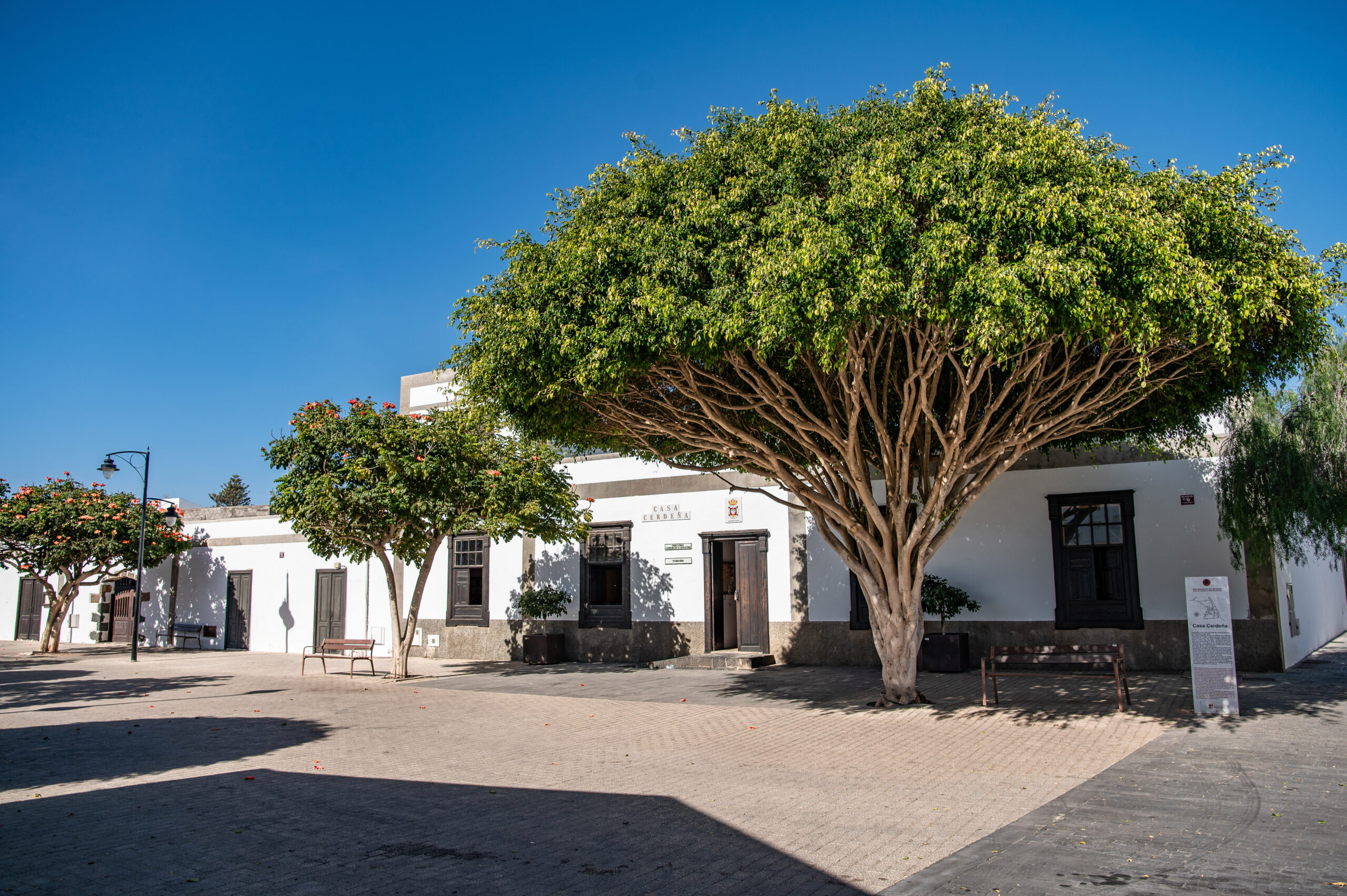
Casa Cerdeña
C. Dr. Cerdeña Bethencourt, 17, San Bartolomé (how to get there).
2.7 km. / 7 min from Landmark #2 (Quesería Flor de Luz)
Did you know…?
Inside the cellar of Casa Cerdeña, you will find a unique wine tank with an intriguing history. This particular tank, known among locals as “The Guardian of the Wine,” witnessed the meticulous production of a special wine reserved for extraordinary occasions. It is said that this tank, with its peculiar shape and hand-carved decorations, was exclusively used to store the region’s finest wine, which was only opened during moments of community celebration.
Landmark #3
Casa Cerdeña
C. Dr. Cerdeña Bethencourt, 17, San Bartolomé (how to get there).
2.7 km / 7 min from Landmark #2 (Quesería Flor de Luz)
Did you know…?
Inside the cellar of Casa Cerdeña, you will find a unique wine tank with an intriguing history. This particular tank, known among locals as “The Guardian of the Wine,” witnessed the meticulous production of a special wine reserved for extraordinary occasions. It is said that this tank, with its peculiar shape and hand-carved decorations, was exclusively used to store the region’s finest wine, which was only opened during moments of community celebration.
Landmark #4
Casa Ajei
C. César Manrique 33, San Bartolomé, Lanzarote (how to get there)
300 m / 5 min from Landmark #3 (Casa Cerdeña)
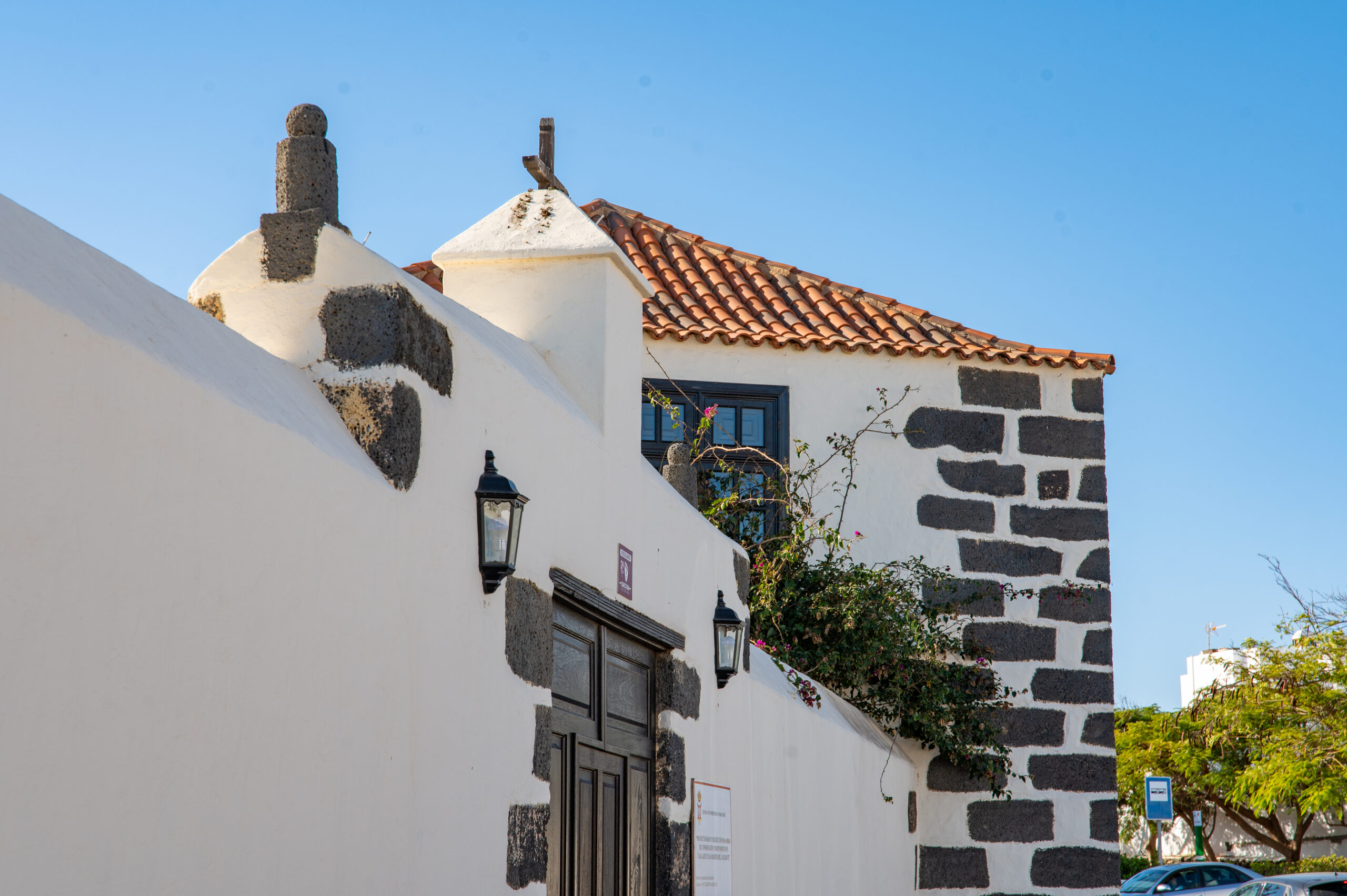
Casa Ajei, erected in 1720 as a colonial-style rectangular house, stands as a monumental testament to the rich agricultural tradition of San Bartolomé in Lanzarote. Its architectural design, which blends Mediterranean and American influences, offers a unique perspective on the intrinsic connection between architecture and the agricultural practices that have shaped the region’s identity. This iconic landmark, with its Arab tiles and ocher-colored whitewashing, stands out not only for its architectural presence but also for its fundamental role in the agricultural history of the island.
Casa Ajei is more than just a visual landmark; it is a tangible archive of agricultural heritage. It preserves part of the ancient winepress used for crushing grapes, the old mill for grinding grain, and the cistern that witnessed the vital storage of water. These evocative elements not only tell the story of the house but also illustrate the agricultural and winemaking practices that have been essential to life in San Bartolomé throughout the centuries.
Today, Casa Ajei has been transformed into a dynamic center for cultural and educational activities, maintaining the link between architecture and agricultural tradition alive. This multifunctional space not only preserves the island’s historical legacy but also serves as a vibrant hub where cultural and educational events take place, enriching the experience of its visitors. Exploring Casa Ajei is like diving into the living history of San Bartolomé, where the past and present converge in a fascinating encounter that highlights the crucial importance of agricultural tradition in the region’s identity.
Did you know…?
Casa Ajei showcases ancient agricultural implements that have been carefully preserved. Among them is a century-old plow used by generations in the region’s agricultural work. This meticulously restored artifact offers visitors a tangible view of the tools that played a crucial role in the traditional farming practices of San Bartolomé.
This century-old plow not only represents the technical skill of past generations but also serves as a visual testament to the hard agricultural labor that has shaped the identity of the island and the town.
Landmark #4
Casa Ajei
C. César Manrique 33, San Bartolomé, Lanzarote (how to get there)
300 m / 5 min from Landmark #3 (Casa Cerdeña)
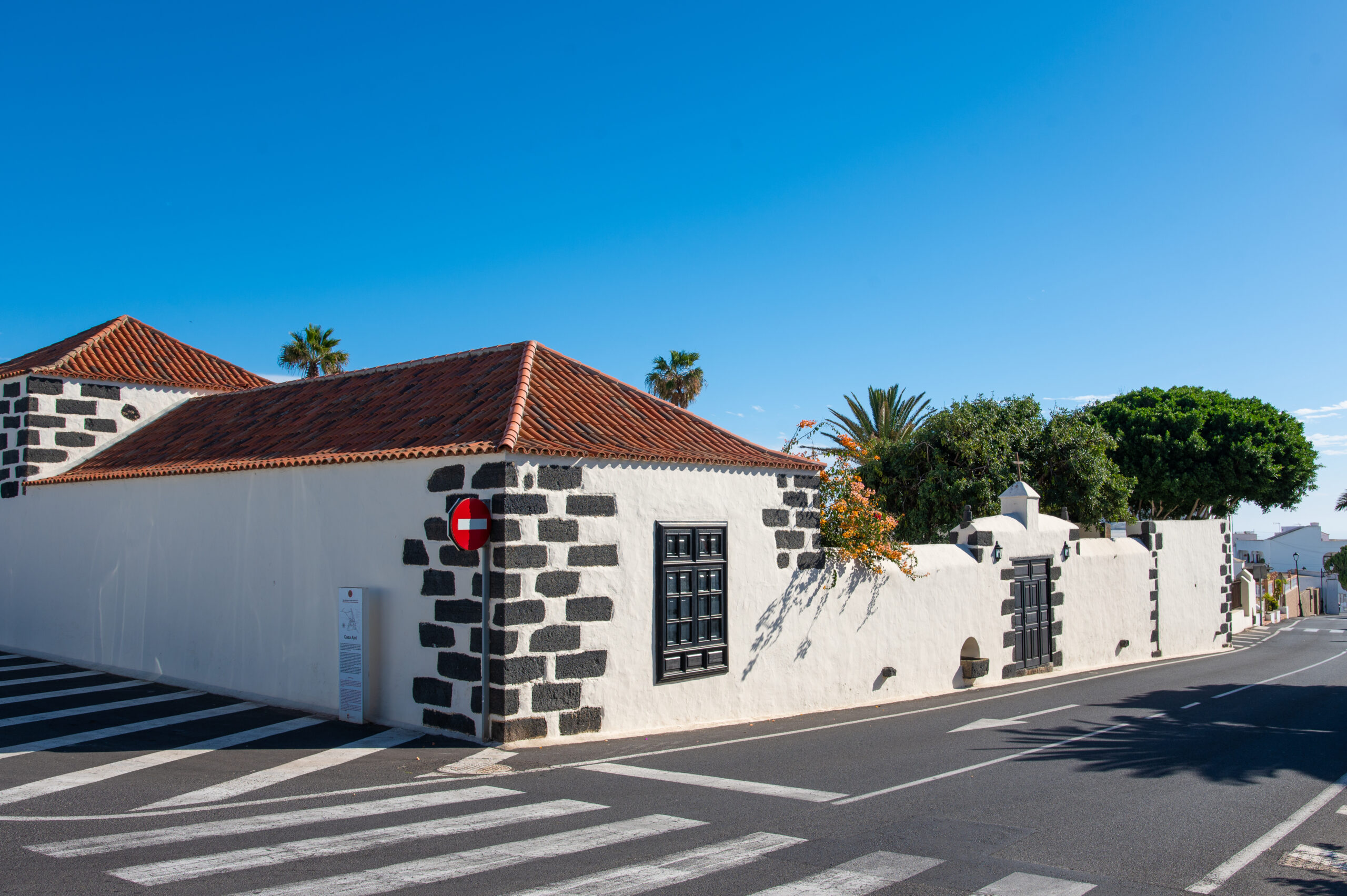
Casa Ajei, erected in 1720 as a colonial-style rectangular house, stands as a monumental testament to the rich agricultural tradition of San Bartolomé in Lanzarote. Its architectural design, which blends Mediterranean and American influences, offers a unique perspective on the intrinsic connection between architecture and the agricultural practices that have shaped the region’s identity. This iconic landmark, with its Arab tiles and ocher-colored whitewashing, stands out not only for its architectural presence but also for its fundamental role in the agricultural history of the island.
Casa Ajei is more than just a visual landmark; it is a tangible archive of agricultural heritage. It preserves part of the ancient winepress used for crushing grapes, the old mill for grinding grain, and the cistern that witnessed the vital storage of water. These evocative elements not only tell the story of the house but also illustrate the agricultural and winemaking practices that have been essential to life in San Bartolomé throughout the centuries.
Today, Casa Ajei has been transformed into a dynamic center for cultural and educational activities, maintaining the link between architecture and agricultural tradition alive. This multifunctional space not only preserves the island’s historical legacy but also serves as a vibrant hub where cultural and educational events take place, enriching the experience of its visitors. Exploring Casa Ajei is like diving into the living history of San Bartolomé, where the past and present converge in a fascinating encounter that highlights the crucial importance of agricultural tradition in the region’s identity.
Did you know…?
Casa Ajei showcases ancient agricultural implements that have been carefully preserved. Among them is a century-old plow used by generations in the region’s agricultural work. This meticulously restored artifact offers visitors a tangible view of the tools that played a crucial role in the traditional farming practices of San Bartolomé.
This century-old plow not only represents the technical skill of past generations but also serves as a visual testament to the hard agricultural labor that has shaped the identity of the island and the town.
Landmark #5
Molino de Don José María Gil
C. Tenderete 20, San Bartolomé (how to get there) (website).
400 m / 6 min from Landmark #4 (Casa Ajei)
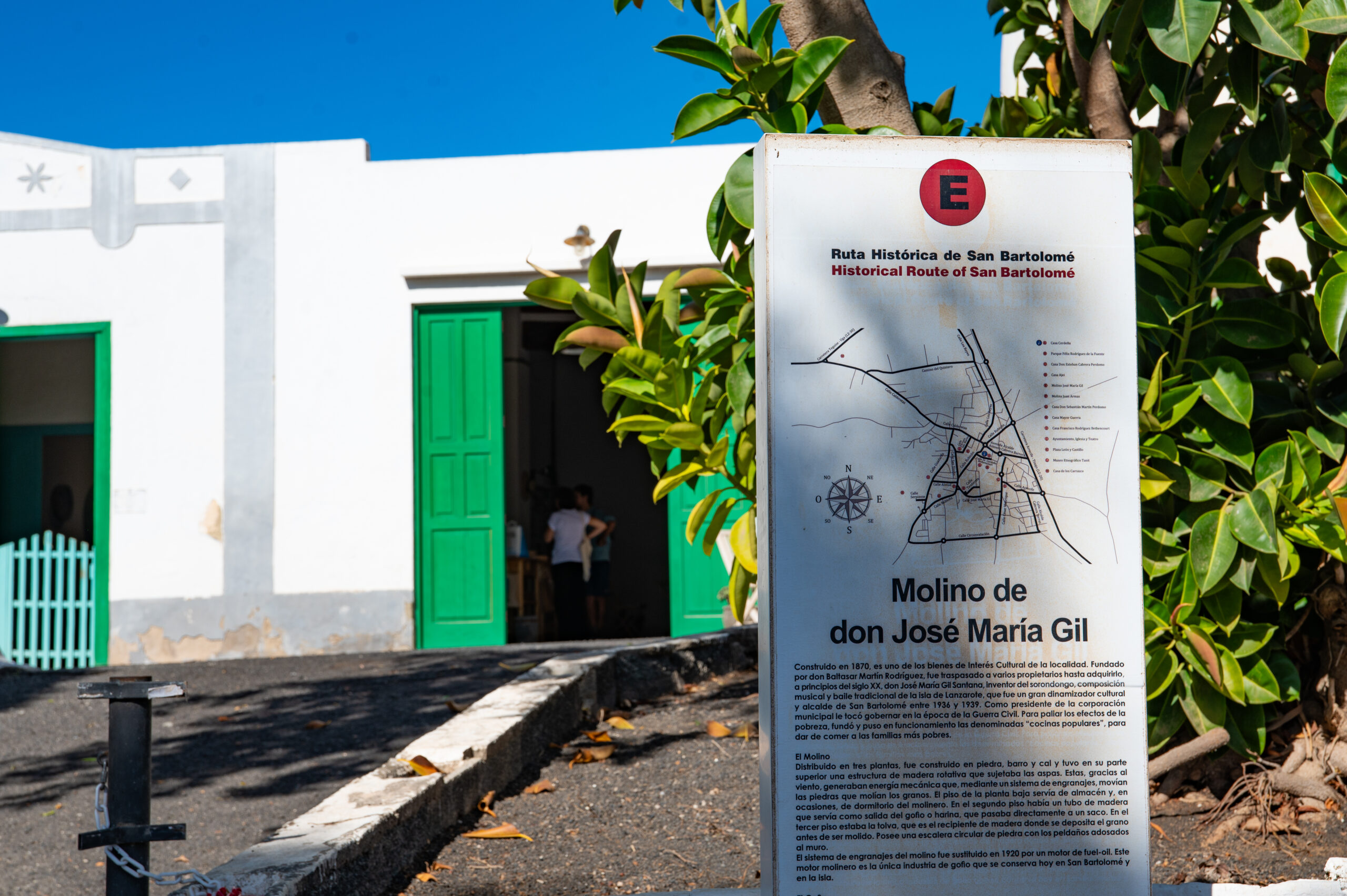
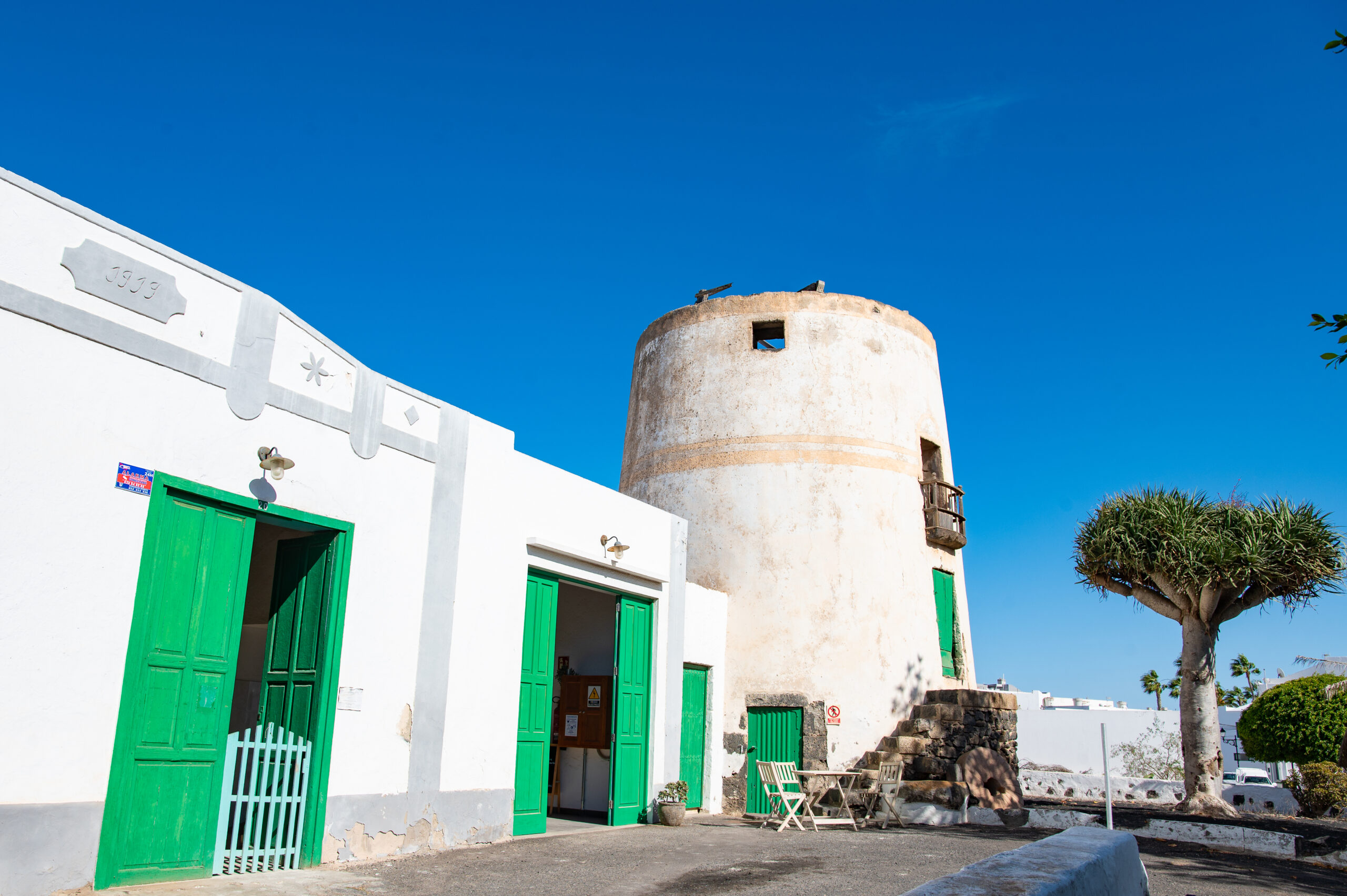
The Lanzarote Mill (La Molina de Lanzarote), also known as the Mill of Don José María Gil or the San Bartolomé Mill, stands as an iconic monument that encapsulates the essence of San Bartolomé’s agricultural tradition.
Its construction dates back centuries, to a time when agriculture was the lifeblood of the community. Throughout the years, La Molina de Lanzarote has been a silent witness to the agricultural cycles, reflecting the tireless dedication and effort of generations of farmers.
With its gears and millstones, La Molina de Lanzarote played a crucial role in transforming crops into essential food products. The mill’s history is intertwined with key dates that mark important milestones in local agricultural life, offering valuable insight into the cultural and economic significance of these structures. Over time, the mill has evolved into not only a historical monument but also a place where agricultural tradition meets modern prosperity.
Today, La Molina de Lanzarote preserves its historical legacy while also producing artisanal gofio (roasted cornmeal) and mantecados (traditional sweets) derived from local crops. The mill also houses a shop where visitors can purchase these products and offers guided tours for both tourists and school groups, concluding with an experiential workshop on making gofio pellas (a traditional dish made with gofio).
La Molina de Lanzarote thus serves as a tangible bridge between San Bartolomé’s agricultural past and its present vitality, offering an authentic experience that connects people with the rich rural heritage of the area.
Did you know…?
In Spanish, nouns have gender, just like in French or German, but not in English. The word “molino” (mill), which refers to structures used for grinding grains into flour, is typically used in its masculine form in Spanish. However, in the Canary Islands, the word can be used in both its masculine (“molino”) and feminine (“molina”) forms, each applied in different contexts.
The main distinction between a “molina” and a “molino” lies in their size and production capacity. A “molino” (masculine) is usually associated with larger, commercial facilities, while a “molina” (feminine) refers to smaller, more modest mills intended for local or family needs.
Landmark #5
Molino de Don José María Gil
C. Tenderete 20, San Bartolomé (how to get there) (website)
400 m / 6 min from Landmark #4 (Casa Ajei)
The Lanzarote Mill (La Molina de Lanzarote), also known as the Mill of Don José María Gil or the San Bartolomé Mill, stands as an iconic monument that encapsulates the essence of San Bartolomé’s agricultural tradition.
Its construction dates back centuries, to a time when agriculture was the lifeblood of the community. Throughout the years, La Molina de Lanzarote has been a silent witness to the agricultural cycles, reflecting the tireless dedication and effort of generations of farmers.
With its gears and millstones, La Molina de Lanzarote played a crucial role in transforming crops into essential food products. The mill’s history is intertwined with key dates that mark important milestones in local agricultural life, offering valuable insight into the cultural and economic significance of these structures. Over time, the mill has evolved into not only a historical monument but also a place where agricultural tradition meets modern prosperity.
Today, La Molina de Lanzarote preserves its historical legacy while also producing artisanal gofio (roasted cornmeal) and mantecados (traditional sweets) derived from local crops. The mill also houses a shop where visitors can purchase these products and offers guided tours for both tourists and school groups, concluding with an experiential workshop on making gofio pellas (a traditional dish made with gofio).
La Molina de Lanzarote thus serves as a tangible bridge between San Bartolomé’s agricultural past and its present vitality, offering an authentic experience that connects people with the rich rural heritage of the area.
Did you know…?
In Spanish, nouns have gender, just like in French or German, but not in English. The word “molino” (mill), which refers to structures used for grinding grains into flour, is typically used in its masculine form in Spanish. However, in the Canary Islands, the word can be used in both its masculine (“molino”) and feminine (“molina”) forms, each applied in different contexts.
The main distinction between a “molina” and a “molino” lies in their size and production capacity. A “molino” (masculine) is usually associated with larger, commercial facilities, while a “molina” (feminine) refers to smaller, more modest mills intended for local or family needs.
Landmark #6
Casa y Molina de Don Juan Armas Perdomo
C. Rubicón 164, San Bartolomé, Lanzarote (how to get there)
130 m / 2 min from Landmark #5 (Mill of Don José María Gil)
The House and Mill of Don Juan Armas Perdomo in San Bartolomé stands as a significant monument that offers a glimpse into the town’s agricultural and milling past. This 19th-century architectural complex serves as a tangible testament to the rich agricultural tradition that has shaped San Bartolomé’s identity over the years.
Blending traditional Canarian architectural elements with the specific functionality of a mill, the building reflects the close interconnection between rural life and milling activity. The house’s whitewashed walls and gabled roof harmoniously integrate with the mill’s robust, functional design, forming a distinctive architectural ensemble.
The Mill of Don Juan Armas played a crucial role in the local agricultural history, serving as a milling center for the grains grown in the surrounding fields. The machinery and milling artifacts connect with historical flour production practices, highlighting the importance of these mills in the community’s daily life.
Did you know…?
Until the end of 2023, the House and Mill of Don Juan Armas Perdomo were in a state of disrepair, although this did not diminish their historical value as a monumental gem of Canarian agricultural tradition.
In December 2023, the San Bartolomé Town Hall acquired the property with the aim of restoring it, ensuring that both residents and visitors could soon appreciate the House and Mill in their full splendor.
Landmark #6
Casa y Molina de Don Juan Armas Perdomo
C. Rubicón 164, San Bartolomé, Lanzarote (how to get there)
130 m / 2 min from Landmark #5 (Mill of Don José María Gil)
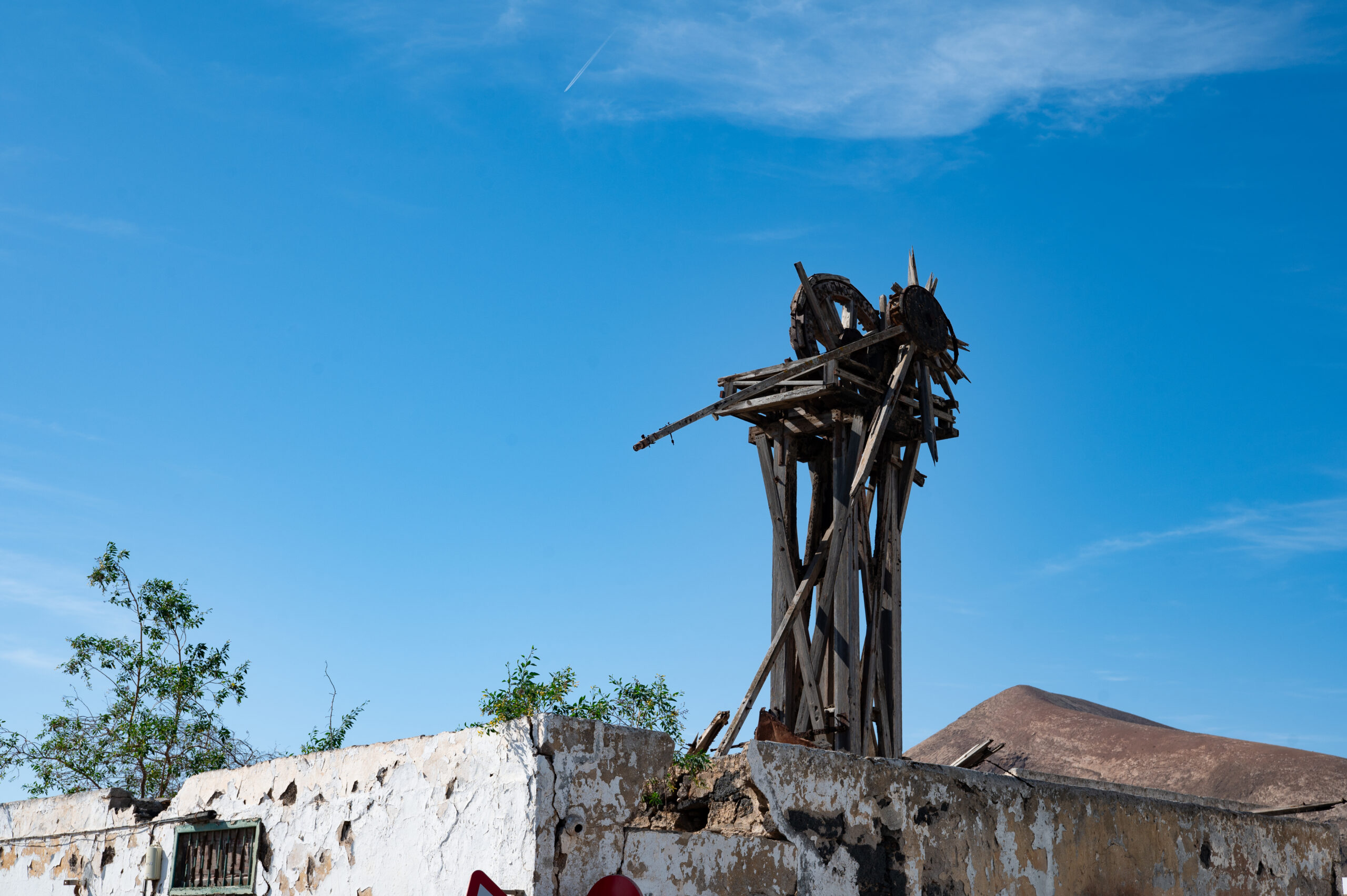
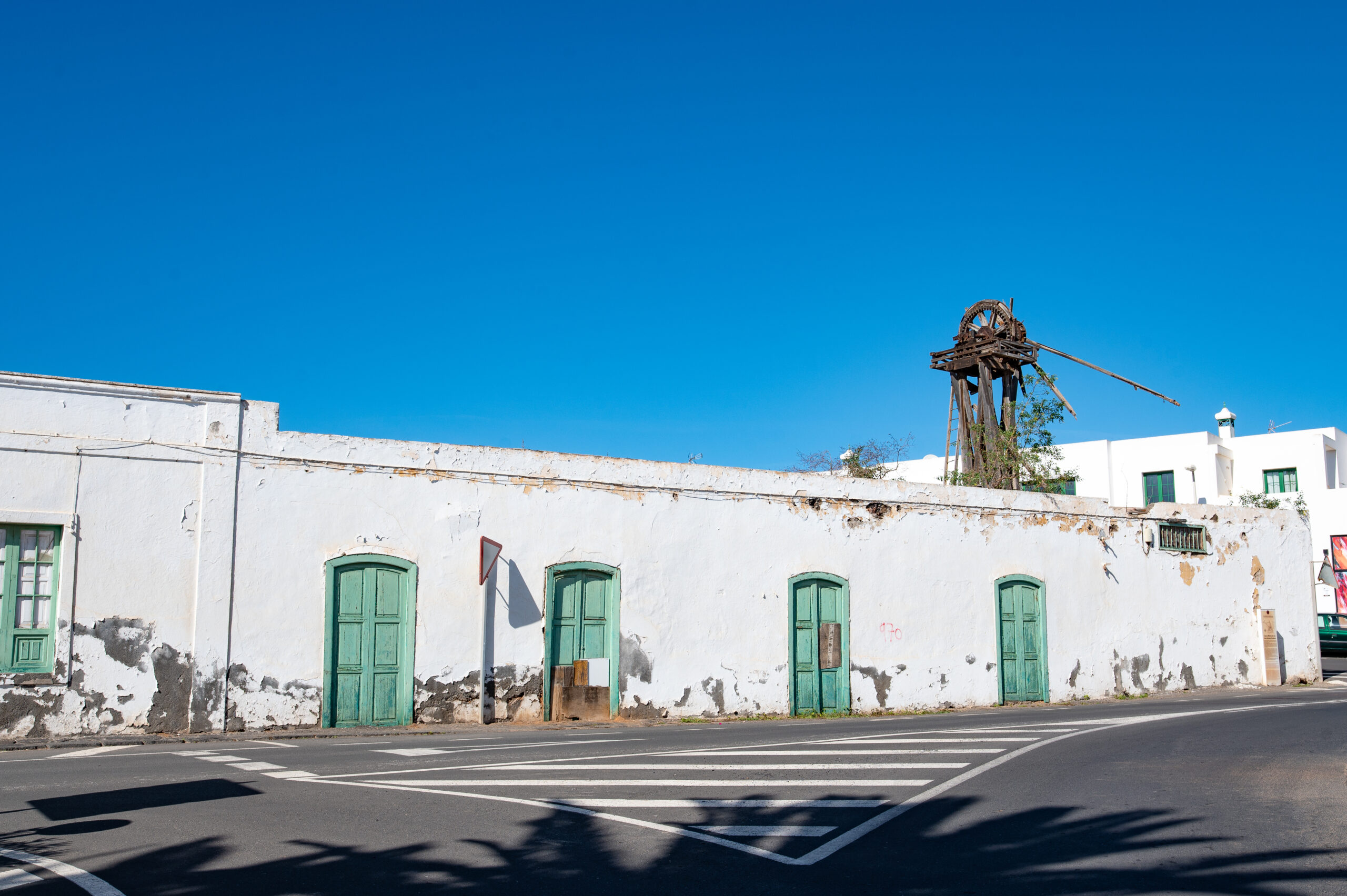
The House and Mill of Don Juan Armas Perdomo in San Bartolomé stands as a significant monument that offers a glimpse into the town’s agricultural and milling past. This 19th-century architectural complex serves as a tangible testament to the rich agricultural tradition that has shaped San Bartolomé’s identity over the years.
Blending traditional Canarian architectural elements with the specific functionality of a mill, the building reflects the close interconnection between rural life and milling activity. The house’s whitewashed walls and gabled roof harmoniously integrate with the mill’s robust, functional design, forming a distinctive architectural ensemble.
The Mill of Don Juan Armas played a crucial role in the local agricultural history, serving as a milling center for the grains grown in the surrounding fields. The machinery and milling artifacts connect with historical flour production practices, highlighting the importance of these mills in the community’s daily life.
Did you know…?
Until the end of 2023, the House and Mill of Don Juan Armas Perdomo were in a state of disrepair, although this did not diminish their historical value as a monumental gem of Canarian agricultural tradition.
In December 2023, the San Bartolomé Town Hall acquired the property with the aim of restoring it, ensuring that both residents and visitors could soon appreciate the House and Mill in their full splendor.
